
Pragdealism
Orientation in an Age of Change.
Check out Pragdealism on Substack

Seeking Wisdom in an Intertidal Moment
Information is everywhere. Intelligence is everywhere. Wisdom? Not so much.
The challenge of our time isn’t technology, or even its “intelligence.” It’s our mindset.
“Seeking Wisdom in an Intertidal Moment,” explores why, and what it takes to choose a different one.
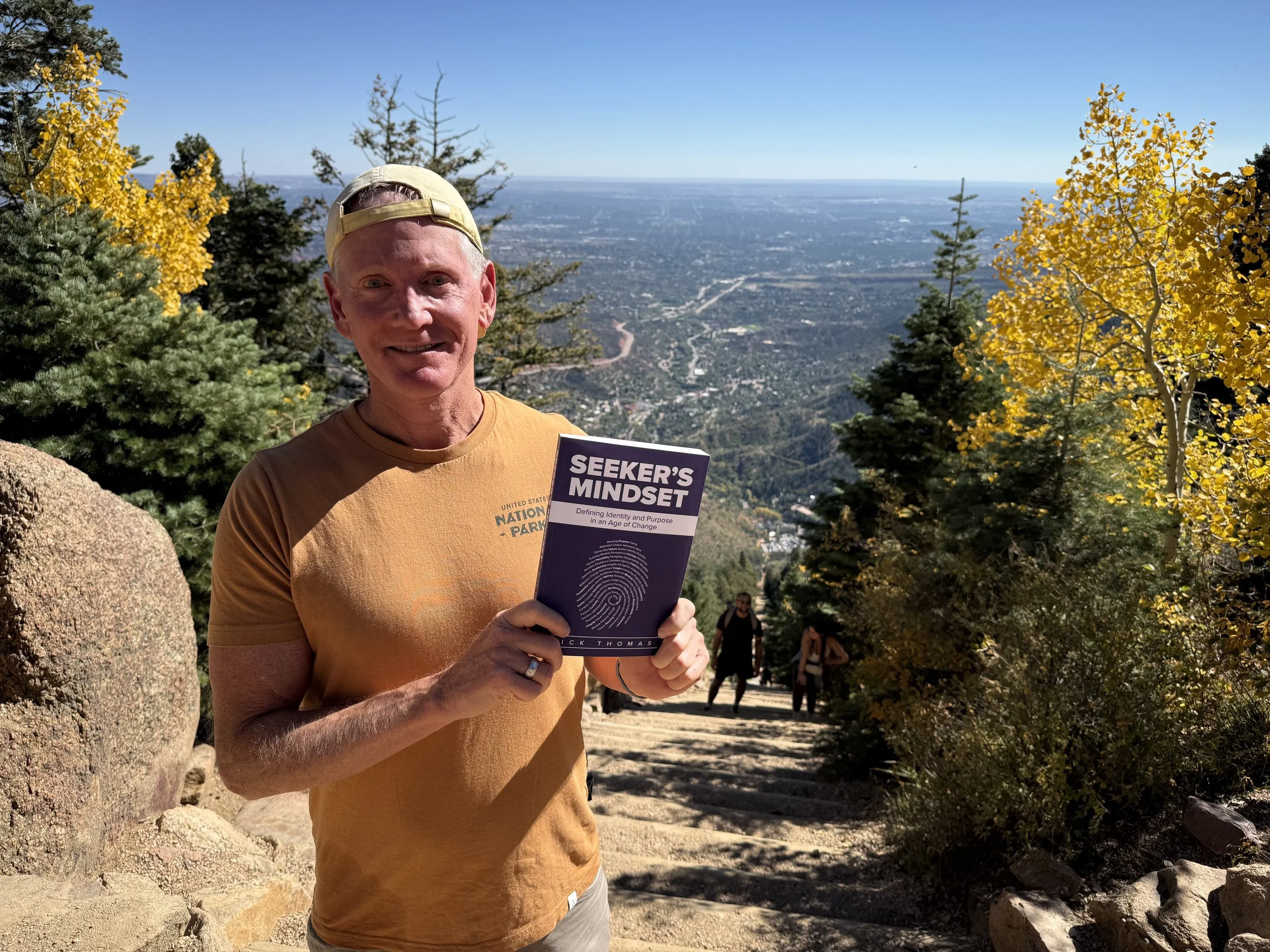
Published: I Took the Red Pill
Have you ever had an idea, a vision, something you really wanted to do, that turned out to be more work than you ever imagined? You know, the kind of pursuit that makes you say, "If I'd known how much work this was going to be, I never would have started."
It happens to me all the time. And that's by design.
My book Seeker's Mindset is now published. Here's the story behind it.
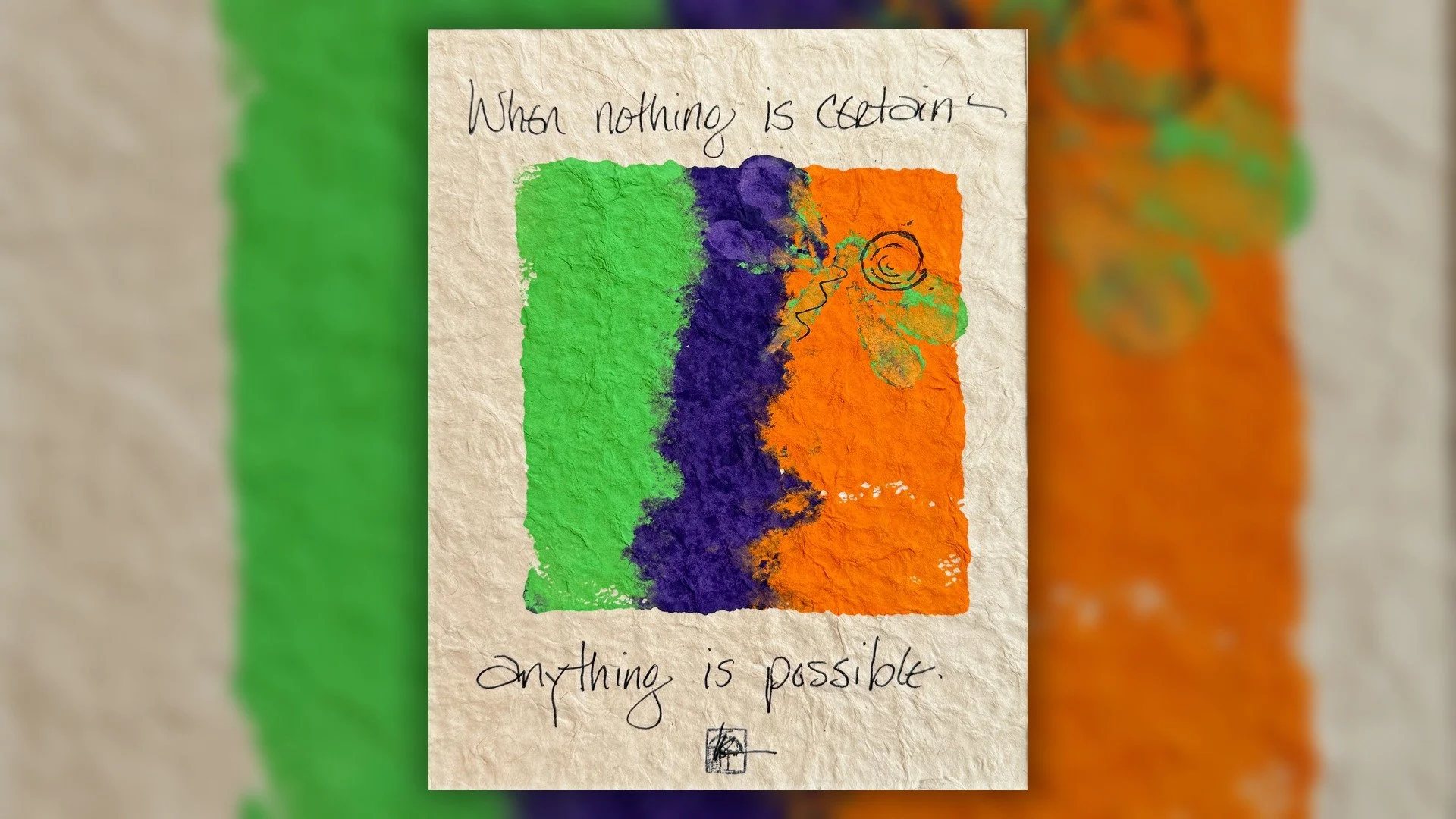
Even Uncertainty Has Changed
Years ago I bought a small framed print in a shop in Fairbanks. It read: "When nothing is certain, anything is possible." I never forgot those words.
When the future breaks open, revealing the new and unexpected, do you see a peril or a possibility? Your response matters more than you think.
My latest article in the Pragdealist newsletter takes a closer look at the powerful insight the print offered.

The Trophy Shop
As a child, I walked into a trophy shop. Little did I know I was catching a glimpse of the future.
The attention economy, to be precise.
I'm not referring to the corporate commodity side that extracts and trades in our algorithmically monitored preferences. I'm speaking of the consequences of living and working within it.
My new piece, The Trophy Shop, is about that difference—and where real validation actually comes from. (Hint: it starts with your why.)

Curiosity is a Choice
When was the last time you were truly curious? I'm not referring to a headline that grabbed you.
Not a rabbit hole that confirmed what you already believed. I mean the wide-eyed kind of curiosity you had as a kid. If you can't remember, there's a reason and a cost.

The Definition of Insanity has Changed
We all know the old definition of insanity: doing the same thing over and over and expecting different results.
But in a changing world, is that definition still accurate? I don't think so. Most of us are working from a script we didn't write, with expectations we rarely question. That worked well enough when the currents of change were placid. They're not anymore.
My latest piece is about that gap: why the ground feels like it's shifting under us, and what kind of mindset actually meets the moment.
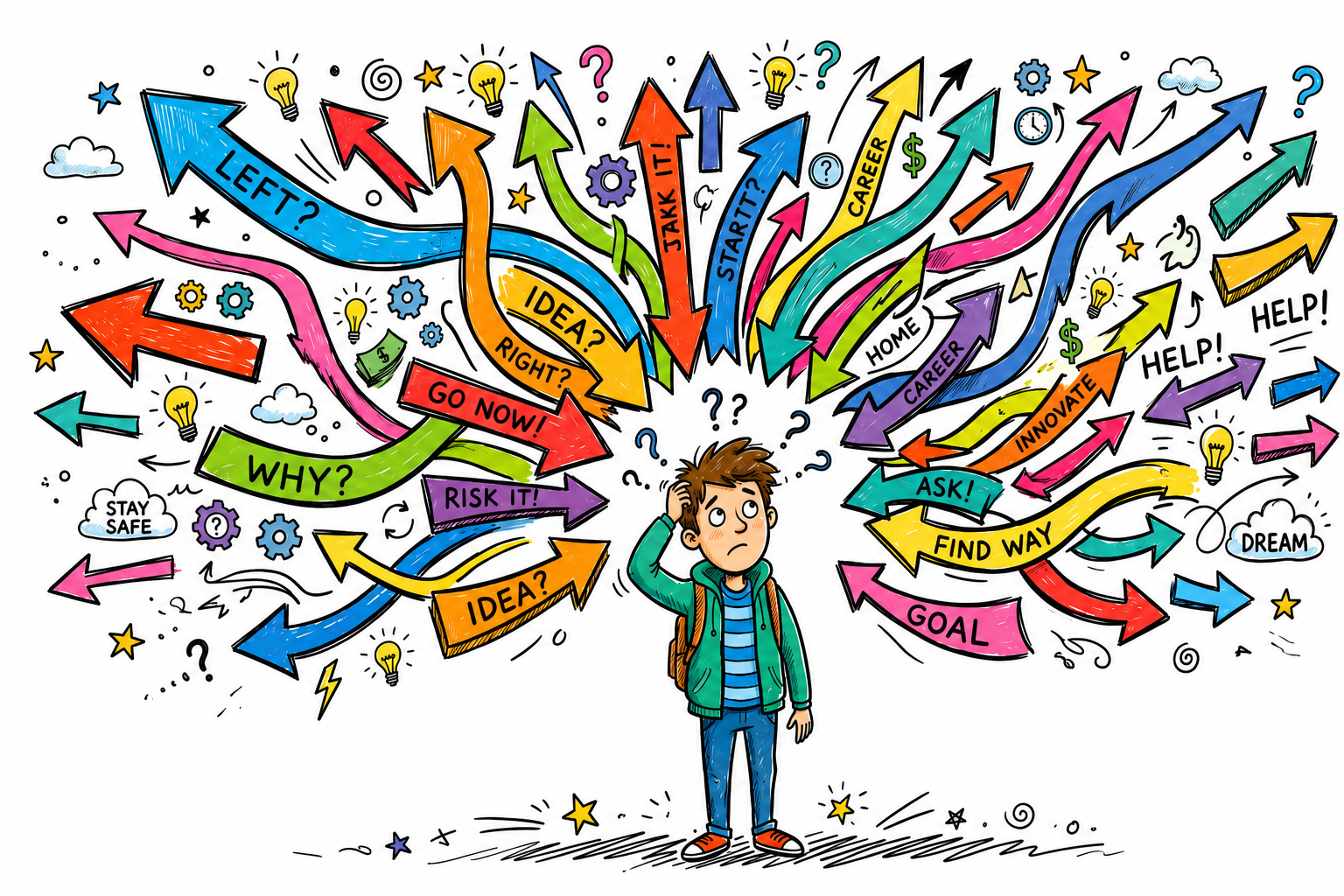
What Am I to That?
Everything is changing, everywhere, all at once.
We won't find stability by trying to hold on to something in perpetual motion.
When change hits, the instinct is to interrogate it: What is this? We demand the chaos explain itself so we can sort it, rank it, make it hold still. It never does.
So, I recommend asking a different question. Not about the chaos—but about ourselves.
What am I to that?
To that circumstance. That change. That decision. The first question scatters our authority. The second puts us back in command.
It's the question at the heart of my book, Seeker's Mindset. And the key to stability amid constant movement.

The End-User Awards the Prize
Thirty years implementing new technologies taught me one lesson the current AI discourse keeps missing:
Innovation, implementation, and user adoption are three entirely different things.
I've watched interactive whiteboards get rejected in favor of dry-erase markers. I've watched sophisticated audioconferencing systems get bypassed for a Polycom in the middle of the table. I've watched oilfield workers cover the camera with a baseball cap—the "hat-cam"—to guard against prying eyes.
Forecasts about AI's impact are measuring from the wrong end of the supply chain.
If we choose carefully, we become the authors of the story—not a character within it.
My latest essay: The End-User Awards the Prize — What the Hat-Cam Taught Me

No Coincidence
A month after I told my wife — and no one else — that I wanted to write a book, I sat down next to a stranger on a flight to Anchorage. What she said when I asked about her work changed everything.

Ultra-Processed Communication
Somewhere along the way, we began mistaking communication for understanding. We live in a world of memes, reels, headlines, emojis, and reaction posts—ultra-processed fragments of thought delivered at extraordinary speed. Information has never been more abundant, yet understanding so scarce.
In this article, I explore what happens when context collapses into code. When nuance gives way to signaling.
When we mistake emotional triggers and self-validation for actual knowledge. The issue isn't simply what we consume. Increasingly, it's how we express ourselves—and even who we are becoming.
To paraphrase Daniel J. Boorstin: The greatest obstacle to discovery is not ignorance—it is the illusion of knowledge.

The World Is Unstable. We Don't Have to Be.
I felt like I was racing the wind.
Writing a book about change while change keeps happening is its own kind of vertigo. Examples I drafted on Monday were stale by Friday. Headlines I cited became footnotes.
Fortunately, the book isn't really about change. It's about us—how we respond when change and disruption swirl around us and the ground keeps shifting beneath our feet.
Seeker's Mindset is about reclaiming our authority and our awareness. About taking action instead of taking blame. About taking control of our lives and how we meet the day.
The antidote in the moment isn't outrunning the winds of change. It's awareness—and learning how to harness them.
Every generation inherits challenges it did not create. Ours is no different.
We may not be responsible for what happens. But we are responsible for how we respond.
How will you respond?
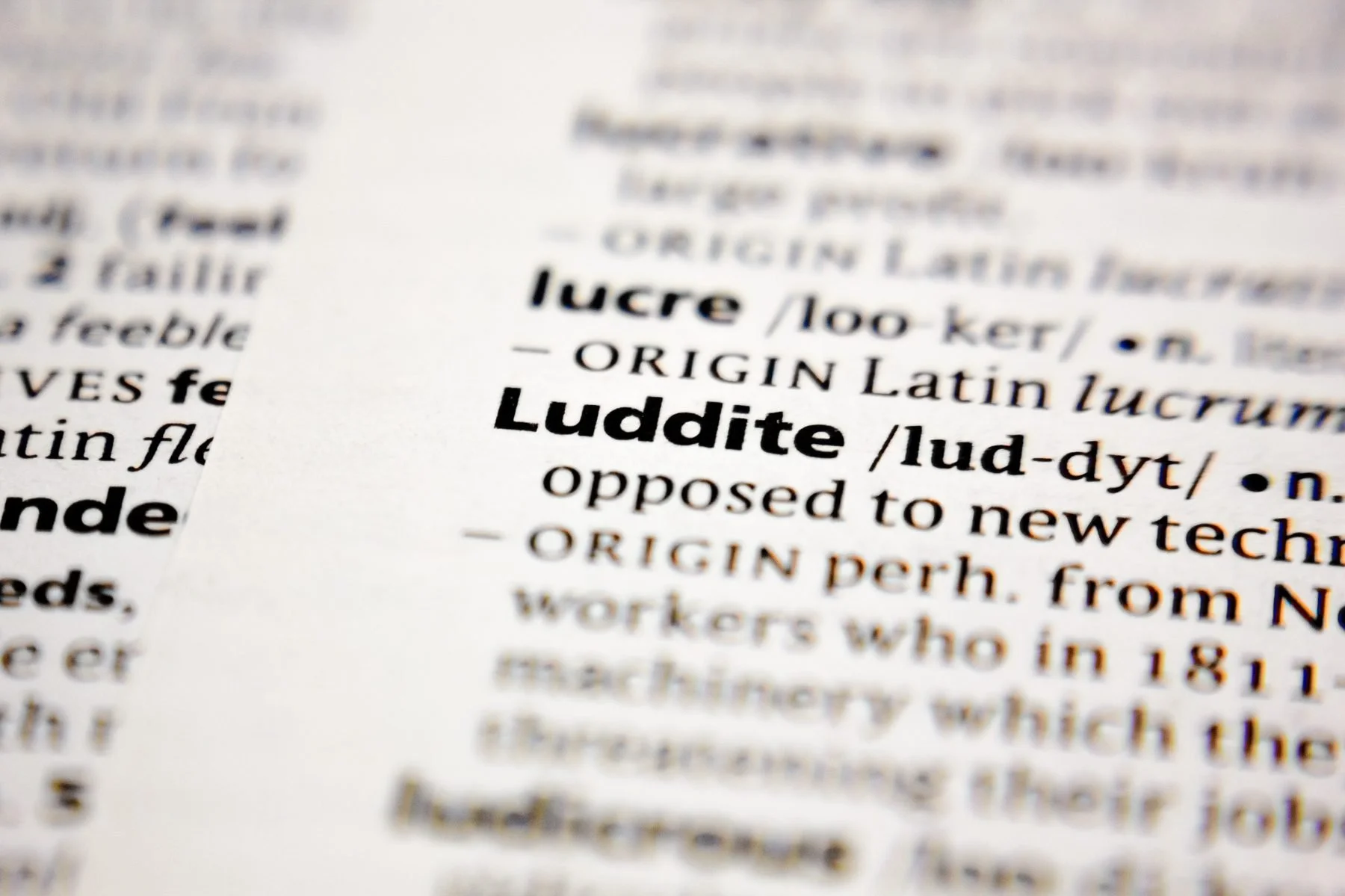
Trust the lesson. Question the flinch.
Experience is not only what we learned—it's how we felt about the effort.
When I asked my wife to build the website for my new book, I watched the blood drain from her face.
She's built them before. That was the problem. Experience, oddly enough, had made her a bit of a luddite.
What happened next surprised us both—and changed how I think about experience itself.
Yesterday's experience is not today's experience.
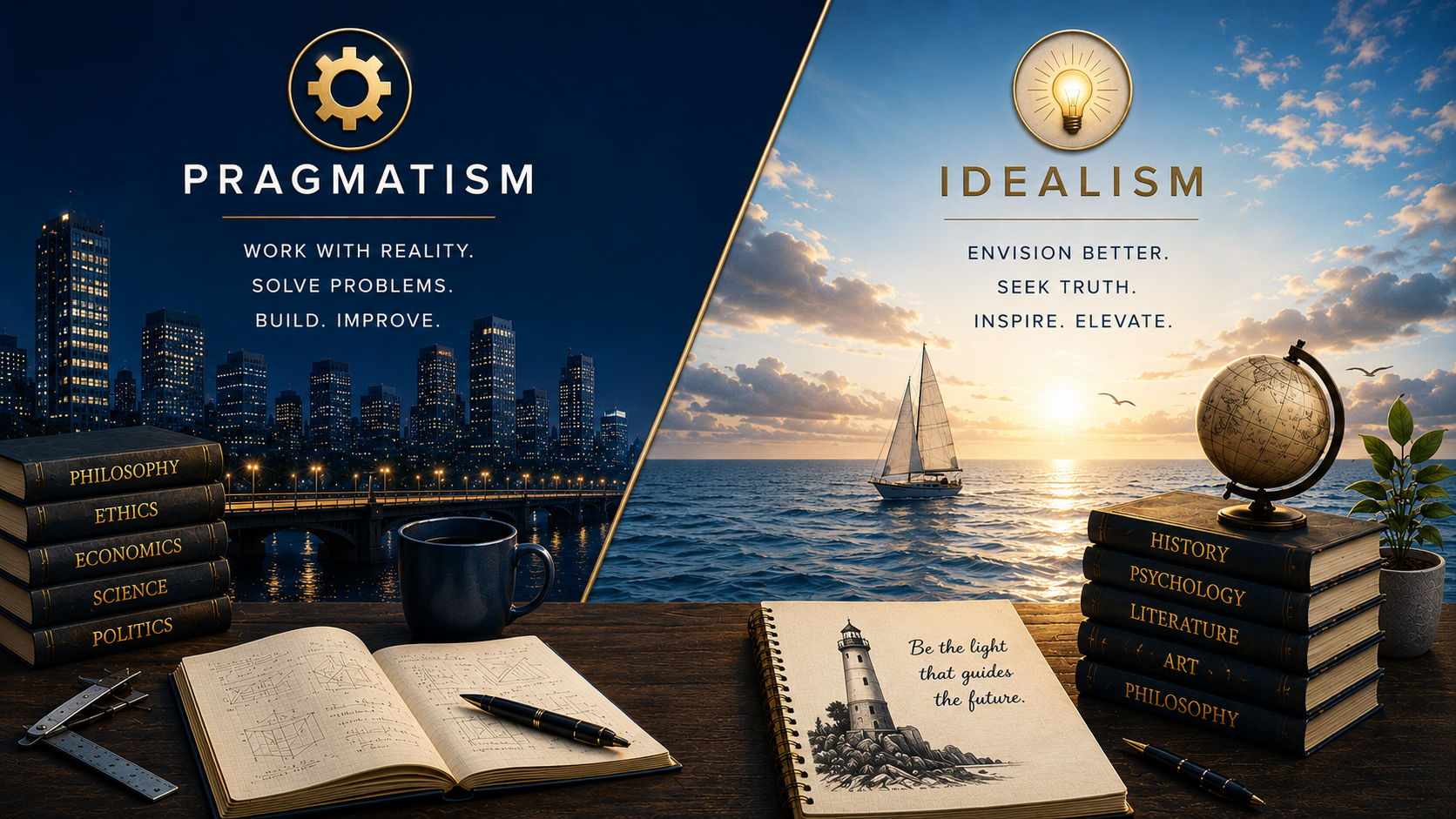
The Pragdealist
What's your life philosophy?
Years ago at a dinner party, someone asked me that. Without hesitation, I answered: "Pragmatic Idealism." I had no polished definition — just an instinct it fit.
I now call it Pragdealism: practical in approach, idealistic in pursuit.

The Moment Noise Becomes Possibility
In 2023, I sold one company and closed down another along with its magazine, and walked into a silence I hadn't planned for.
After twenty-five years of running businesses, the seven-day-a-week hum of responsibility was suddenly gone. What replaced it was a question I'd been too busy to ask for a quarter century: What comes next?
The answer surfaced in the quiet. This is how Seeker's Mindset began.